
Category hub · Incretin & amylin class
Metabolic research peptides
Metabolic peptides are the most heavily published class in current laboratory literature. The incretin family works at the GLP-1 receptor and, in the dual and triple agonists, at the GIP and glucagon receptors as well — modulating insulin secretion, gastric emptying and hypothalamic appetite circuitry in the models where they are studied.
About this category
Half-life is the practical variable that separates the compounds in this category. Albumin-binding modifications extend systemic exposure into the multi-day range, which is why weekly-interval models dominate the published work, while shorter analogues are used where researchers need tighter control over exposure windows.
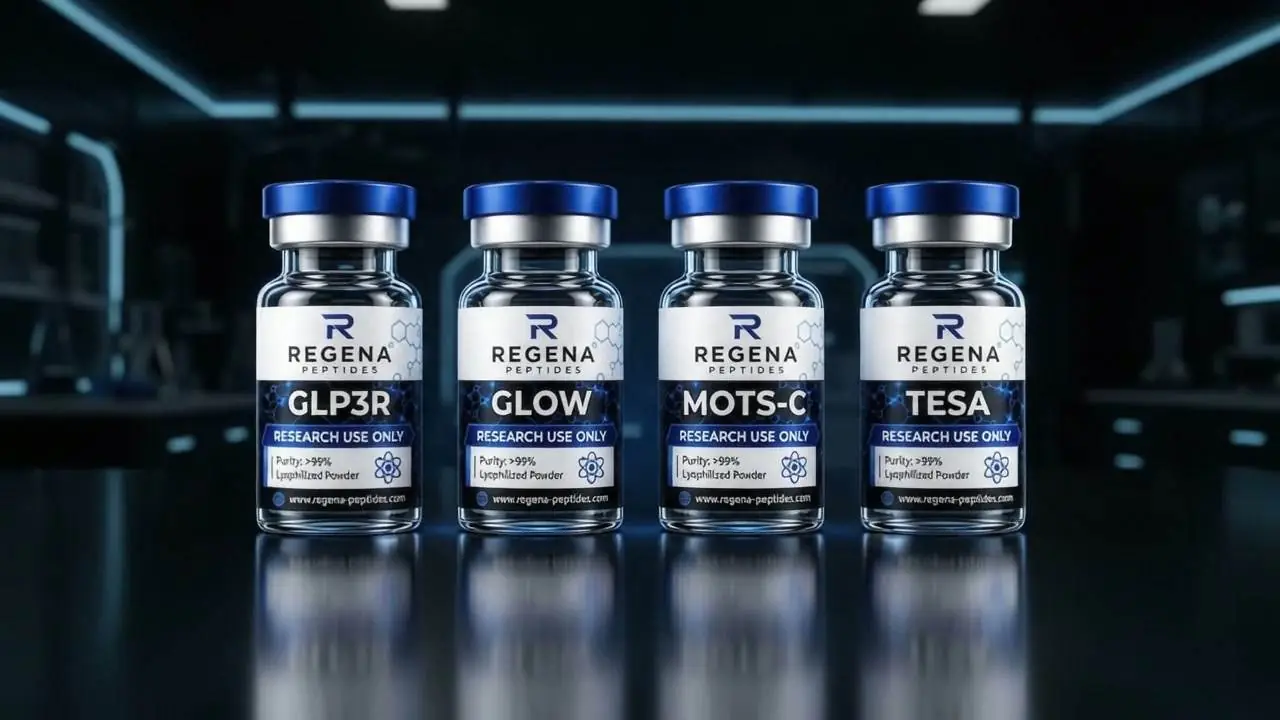
Every metabolic kit we release is verified by an independent laboratory before dispatch: HPLC main-peak purity plus mass-spectrometry molecular-weight confirmation, with the batch number printed on the vial cap and matched to a downloadable certificate.
- Incretin receptor agonists and amylin-class analogues, lyophilised
- Independent HPLC + MS verification on every batch
- 10 vials per research kit — batch-consistent, so one COA covers the set
- Tracked dispatch from Germany, the USA or China in temperature-buffered mailers
Metabolic research peptides in the catalogue (12)
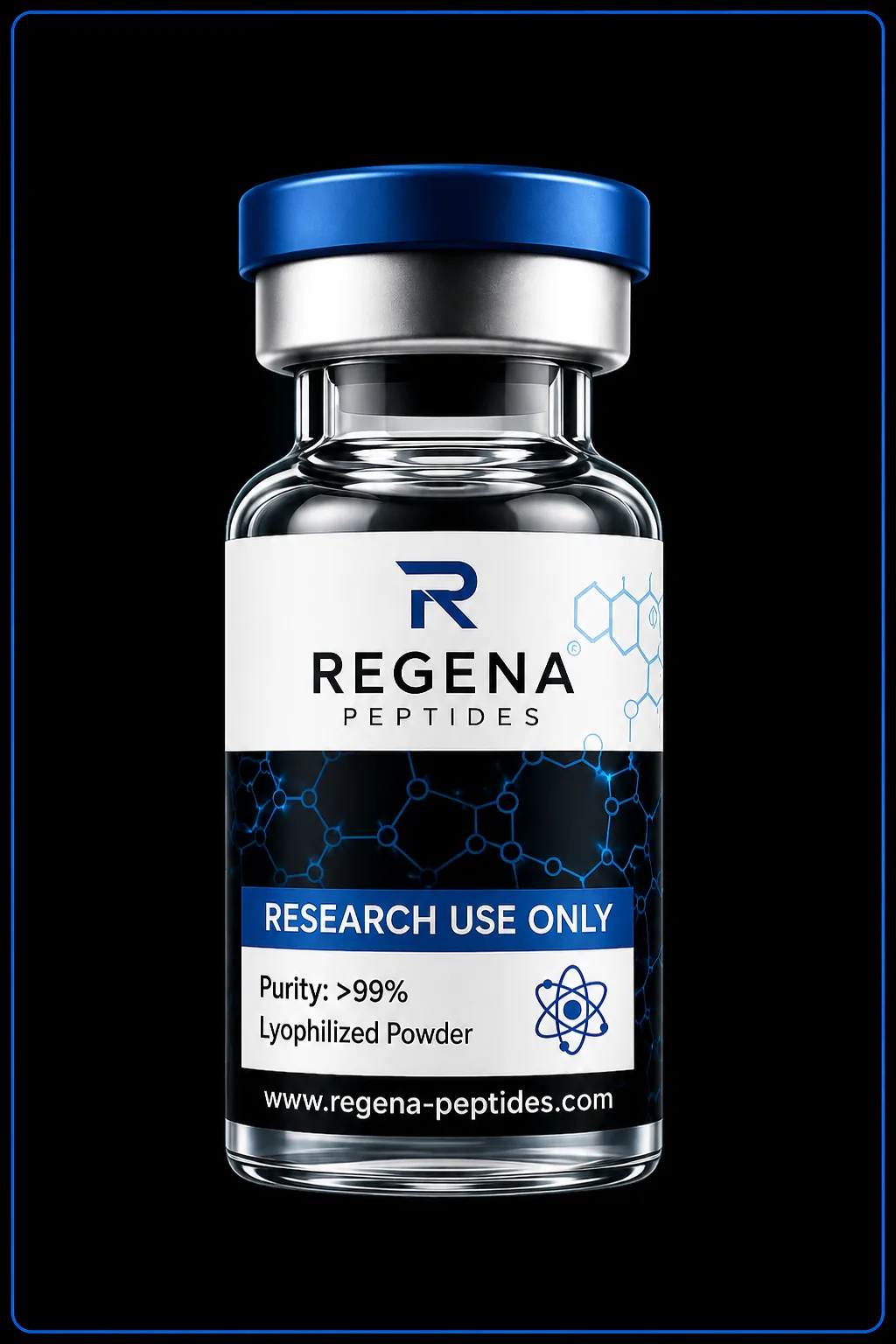 SemaglutideReference GLP-1 agonist with a ~7-day half-life used in metabolic, incretin and appetite-pathway research models.
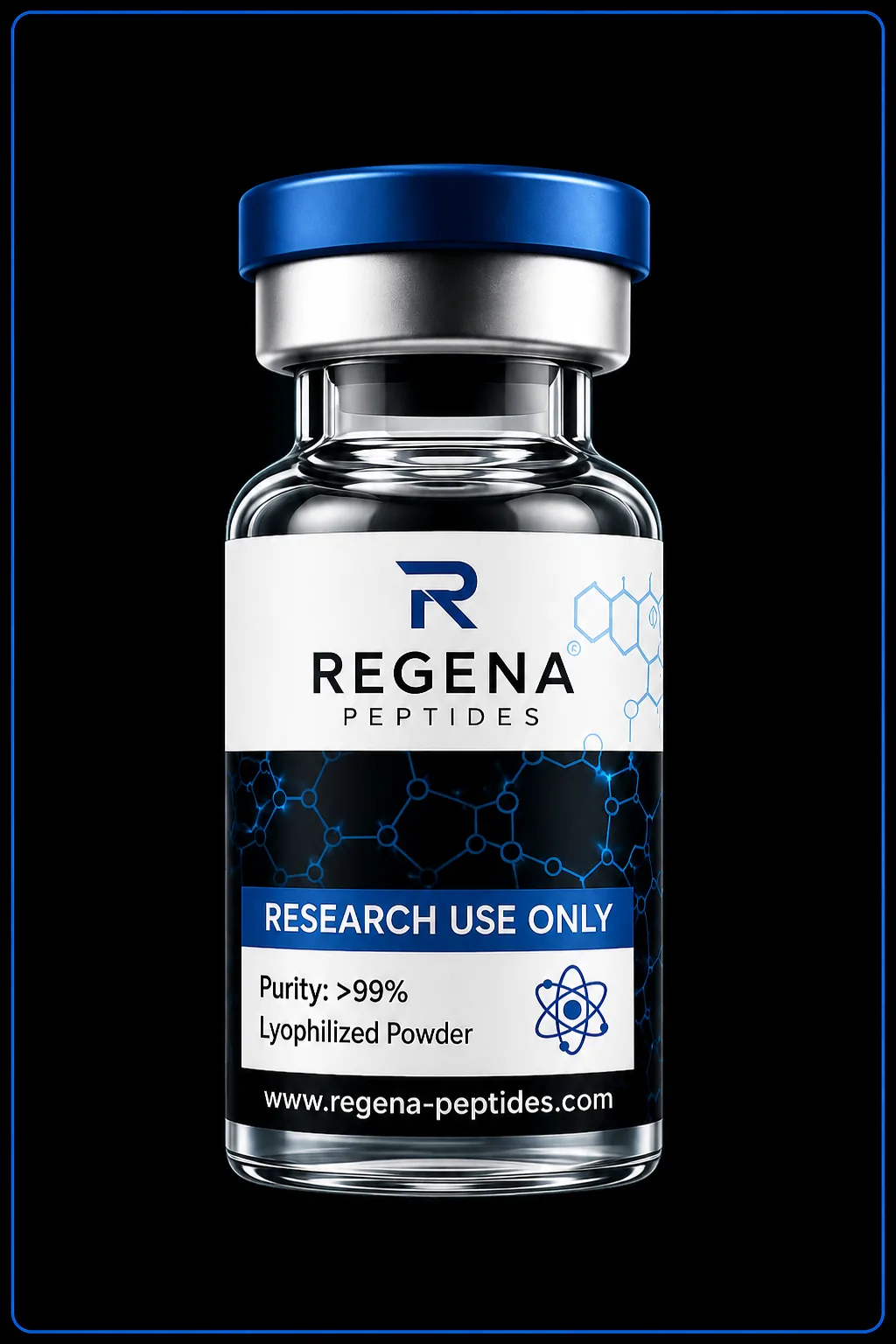 TirzepatideDual GIP/GLP-1 agonist used to study incretin synergy, adipose biology and insulin sensitivity in laboratory models.
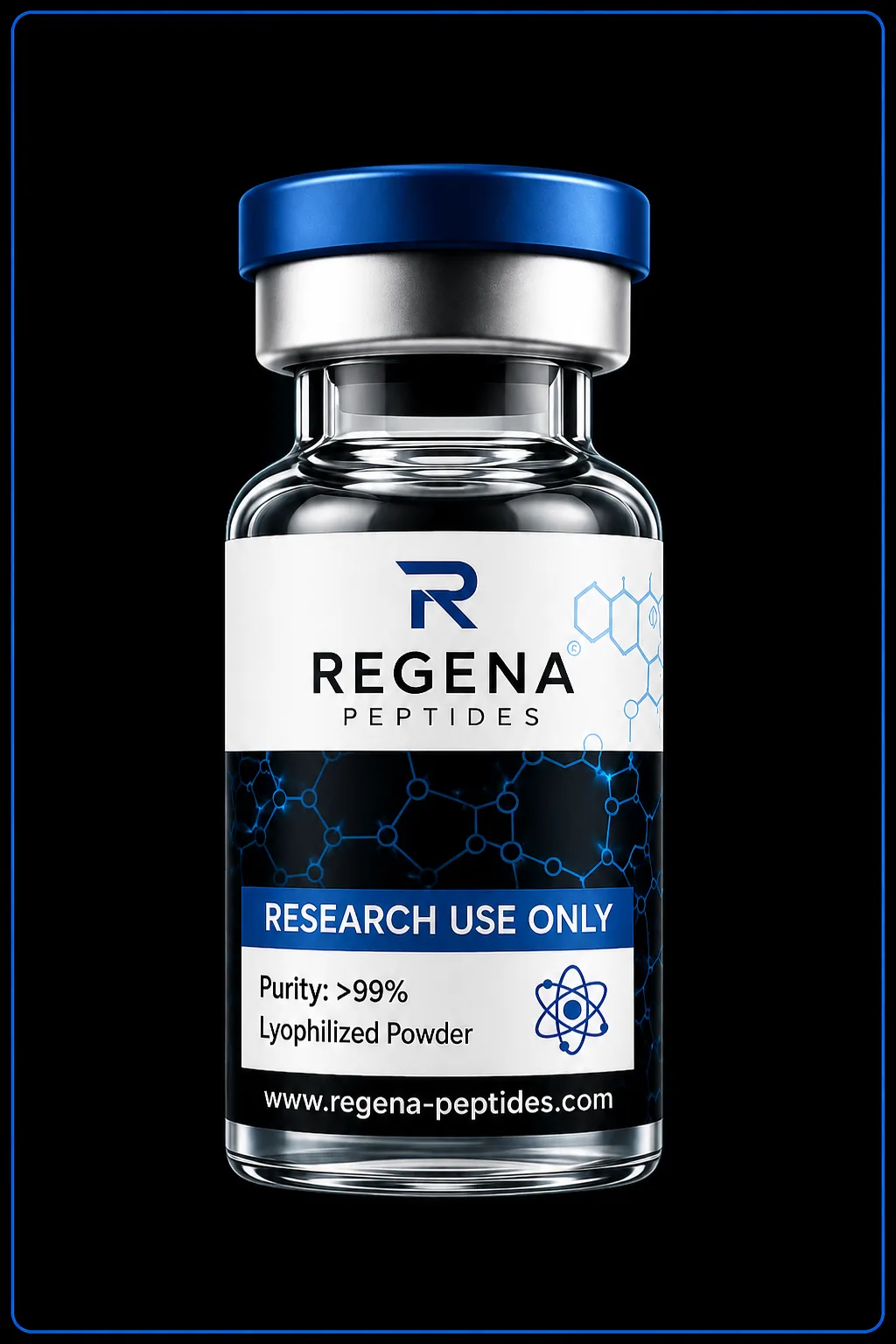 RetatrutideTriple incretin/glucagon receptor agonist for advanced metabolic and energy-balance research.
- LiraglutideShort-acting GLP-1 reference compound for daily-exposure research models.
- CagrilintideLong-acting amylin analogue for combination incretin research.
- SurvodutideDual GCG/GLP-1 agonist used in hepatic and energy expenditure research.
- MazdutideOxyntomodulin-derived GLP-1/GCG dual agonist for hepatic and metabolic research.
- L-CarnitineMitochondrial fatty-acid shuttle used in β-oxidation and bioenergetics research.
- Lemon BottleLipolytic research blend used in subcutaneous adipose models.
- Lipo-CMIC lipotropic blend used in hepatic lipid and methylation research.
- SLU-PP-332Pan-ERR agonist research compound studied as an exercise-mimetic in mitochondrial models.
- Vitamin B12Cobalamin cofactor used in methylation and lipotropic research.
Frequently asked questions
What is the difference between single, dual and triple receptor agonists?
Single agonists act at the GLP-1 receptor only. Dual agonists add GIP receptor activity, and triple agonists add glucagon receptor activity. In published models the added receptor arms change energy-expenditure and lipid-handling readouts, not just glycemic ones.
How should metabolic peptides be stored?
Lyophilised vials are stable refrigerated and shipped in temperature-buffered mailers. Once reconstituted with bacteriostatic water most researchers hold vials at 2–8 °C and protect them from light. See our reconstitution and storage guide.
Do you publish purity results for this category?
Yes. Every batch has an independent certificate of analysis from Janoshik Analytical, and the batch number on the vial cap matches the report in our COA library.
Related pages
Other categories
All compounds are supplied for in-vitro laboratory research use only. Nothing on this page is medical advice or a recommendation for human or veterinary use.