
Daily keyword research · research compounds Europe
Research Compounds Europe: Sourcing & Best Practices
Explore sourcing research compounds in Europe, focusing on quality, regulatory compliance, and best practices for reconstitution and storage of lyophilized peptides.
Overview
Accessing high-quality research compounds is critical for scientific investigations across various disciplines. In Europe, researchers operate within a specific regulatory framework that dictates the production, distribution, and use of these materials. Understanding these guidelines and best practices ensures the integrity of experimental outcomes and adherence to ethical research standards.
The European Landscape for Research Compounds
Europe presents a diverse market for research compounds, with numerous suppliers catering to laboratory needs. Researchers prioritize purity, authenticity, and consistent supply when procuring these substances. The regulatory environment, particularly concerning chemicals and pharmaceuticals, influences the availability and documentation requirements for research-use-only materials. This necessitates a thorough vetting process for suppliers to ensure compliance and product quality.
Sourcing Quality Research Compounds
When sourcing research compounds in Europe, several factors contribute to a supplier's reputation and reliability:
- **Certificate of Analysis (CoA):** Reputable suppliers provide comprehensive CoAs detailing purity, identity, and impurity profiles. These documents are essential for verifying the quality of the compound.
- **Manufacturing Standards:** Adherence to robust manufacturing processes, even for research-grade materials, indicates a commitment to quality control.
- **Logistics and Shipping:** Efficient and secure shipping practices are crucial for maintaining compound integrity, especially for temperature-sensitive materials.
- **Customer Support:** Responsive and knowledgeable customer service can assist with technical inquiries and provide essential product information.
Selecting suppliers that demonstrate transparency and provide detailed product information is paramount for laboratories seeking reliable **research compounds Europe**.
Reconstitution and Storage of Lyophilized Peptides
Many peptide research compounds are supplied in a lyophilized (freeze-dried) state to enhance their stability during shipping and storage. Proper reconstitution and subsequent storage are vital for maintaining their biological activity and preventing degradation. Incorrect handling can lead to compromised experimental results.
General Reconstitution Protocol
1. **Preparation:** Allow the lyophilized peptide vial to reach room temperature before opening. This minimizes condensation inside the vial, which can introduce moisture. 2. **Solvent Selection:** Choose an appropriate solvent for reconstitution. Common choices include sterile bacteriostatic water, ultrapure water, or a dilute acidic/basic solution depending on the peptide's solubility characteristics. Refer to the peptide's specific datasheet for recommendations. 3. **Slow Addition:** Slowly add the chosen solvent to the vial, allowing it to run down the sides. Avoid direct forceful injection onto the lyophilized pellet, which can cause denaturation or foaming. 4. **Gentle Mixing:** Do not shake or vortex vigorously. Swirl the vial gently or allow it to stand at room temperature for a short period until the peptide fully dissolves. Some peptides may require brief sonication (bath sonication, not probe) to aid dissolution.
Best Practices for Storage
Once reconstituted, peptide solutions require careful storage to preserve their stability:
- **Aliquotting:** To minimize freeze-thaw cycles, reconstitute the peptide and then immediately divide the solution into smaller aliquots. Store these aliquots in sterile, airtight microcentrifuge tubes.
- **Temperature:** Most peptide solutions are stable when stored at -20°C or -80°C. Check the specific peptide's data sheet for optimal storage temperatures. Avoid storing reconstituted solutions at refrigerator temperatures for extended periods unless explicitly recommended.
- **Avoid Frost-Free Freezers:** Frost-free freezers undergo temperature cycles that can degrade peptides. Use manual defrost freezers or ensure aliquots are sealed well within secondary containers.
- **pH and Buffers:** The stability of some peptides is highly dependent on pH. Store peptides in appropriate buffer systems if recommended.
- **Light Protection:** Store light-sensitive peptides in amber vials or wrapped in aluminum foil to prevent photodegradation.
For a more in-depth exploration of reconstitution and storage best practices, refer to our companion resource: [Reconstitution & Storage of Lyophilized Peptides](/reconstitution-storage-lyophilised-peptides-2026-07-12).
Regulatory Considerations
Researchers utilizing research compounds in Europe must be aware of regulations pertaining to chemical handling, laboratory safety, and, in some cases, specific substance controls. While these compounds are generally not intended for human consumption or therapeutic use, laboratories must adhere to national and European guidelines governing laboratory practices, waste disposal, and the ethical conduct of research.
The Regena Peptides Commitment
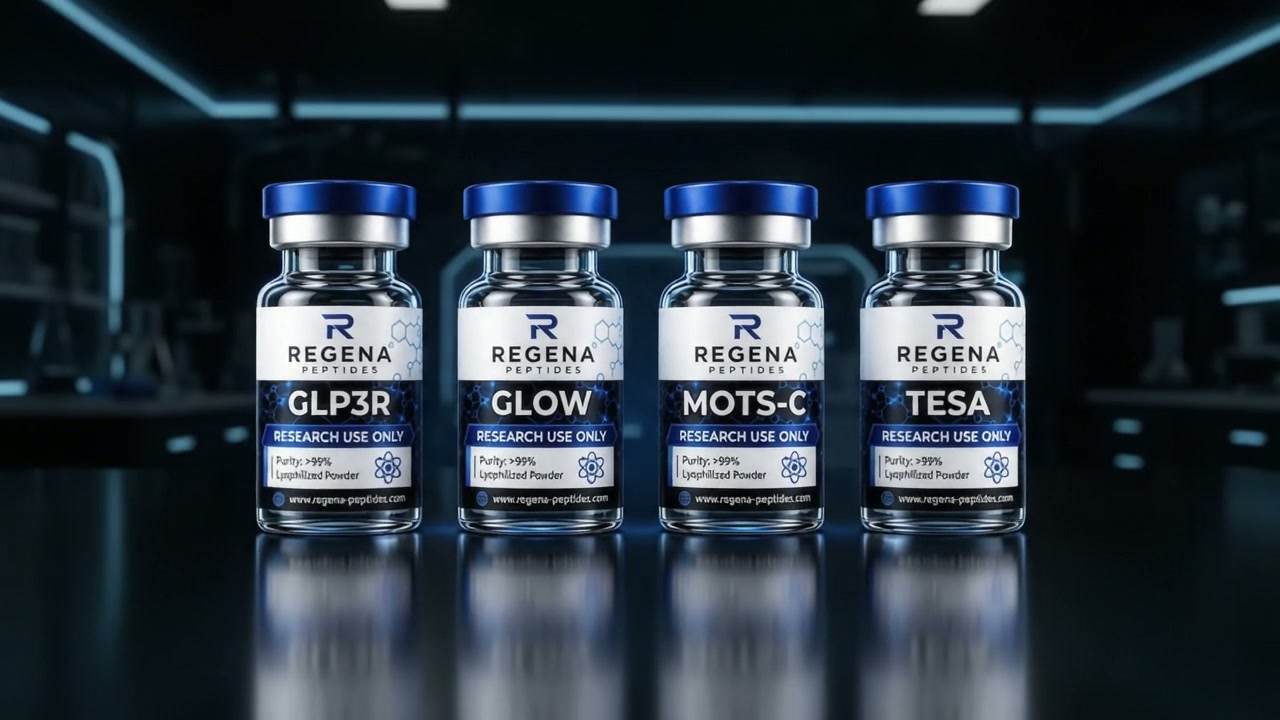
Regena Peptides is dedicated to providing high-quality research compounds for the scientific community throughout Europe and beyond. We ensure that our products meet rigorous purity standards and are accompanied by comprehensive documentation. Our commitment extends to supporting researchers with the information needed for proper handling and storage, thereby contributing to robust and reproducible scientific discoveries.
**Compliance Note:** All compounds offered by Regena Peptides are strictly for in-vitro laboratory research use only. These products are not intended for human consumption, therapeutic, or diagnostic purposes. Usage should be confined to qualified researchers and laboratories adhering to institutional guidelines and ethical research practices. Proper safety precautions must always be observed when handling these materials. Do not use if you are a licensed veterinarian, physician, or other medical professional. You must be a legitimate researcher with a valid lab or research facility. You must be 18 years of age or older to purchase and handle these materials.
Continue your research
Trusted reference supplier · Verified across review platforms
Trustpilot
4.8 / 5 · verified buyers
Google Reviews
Rated by Marbella clients
Scamadviser
Trust score verified
Verified Supplier
Peptides Lookup verified
SSL Secured
256-bit encrypted checkout
HPLC Verified
Batch COA on every vial
EU Sourced
Tested & shipped from EU
Discreet Delivery
Temperature-controlled
We accept · Multiple secure payment methods
- Bank Transfer
- Card via Revolut