
Metabolic Research
Reconstitution and Storage Best Practices for Lyophilised Peptides
·Educational reference
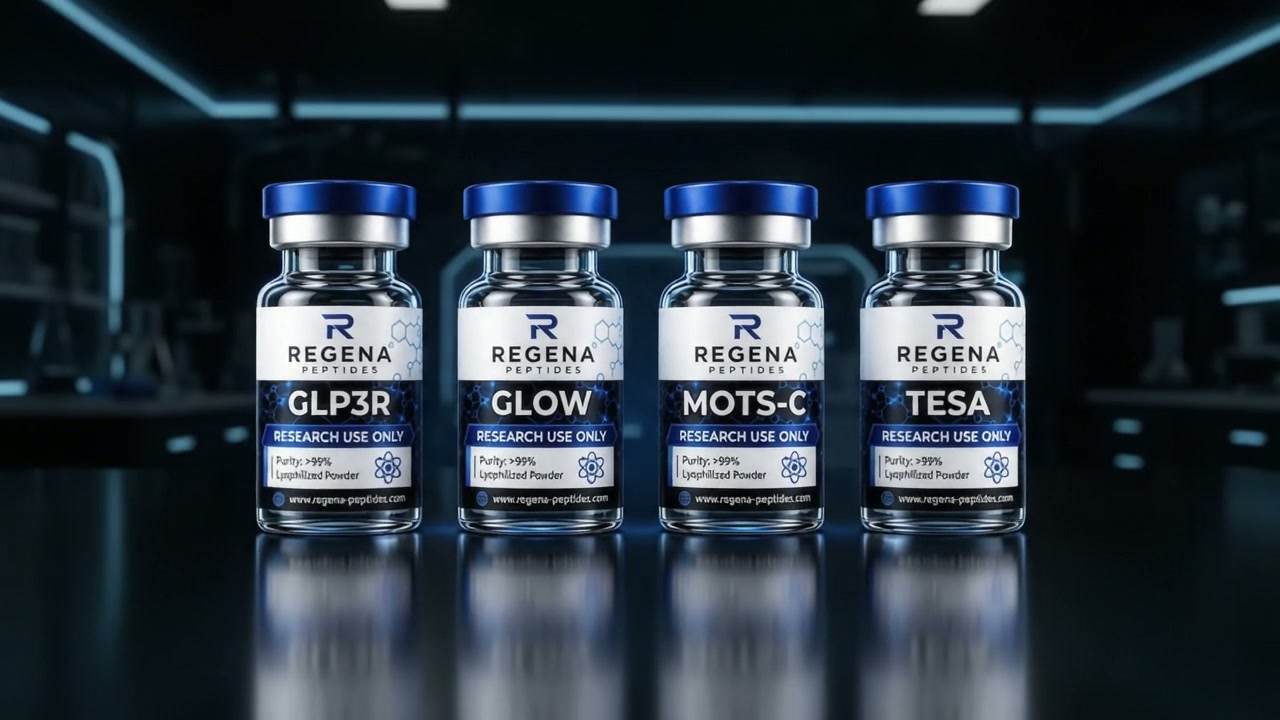
Lyophilisation, or freeze-drying, is a common method for preserving research peptides due to its ability to maintain structural integrity and extend shelf life by removing water, which can contribute to degradation. However, the efficacy of studies utilizing these compounds critically depends on proper reconstitution and subsequent storage. This article details established best practices to optimize peptide stability and research reliability for those working with research compounds in Europe and beyond.
## Initial Handling and Preparation
Upon receipt, lyophilised peptides should be stored in a freezer at -20°C or colder. Before opening, it is crucial to allow the peptide vial to come to room temperature. This minimizes the risk of condensation forming inside the vial, which can introduce moisture and potentially lead to early degradation. The peptide powder itself is often hygroscopic and will readily absorb atmospheric water.
## Choosing the Right Solvent
The choice of solvent for reconstitution is paramount and depends on the peptide's physicochemical properties, particularly its hydrophobicity and amino acid sequence. For most peptides, sterile, deionized water is the initial solvent of choice. For hydrophobic peptides, a small amount of a co-solvent such as acetonitrile (ACN), dimethyl sulfoxide (DMSO), or acetic acid may be necessary. It is crucial to use high-purity, molecular biology-grade solvents to prevent contamination and ensure accurate experimental results. When using organic co-solvents, their potential impact on biological systems and their stability should be carefully considered, especially for _in vitro_ assays.
## Reconstitution Procedure
Reconstitution should be performed under sterile conditions, typically within a laminar flow hood, to prevent microbial contamination. Carefully uncap the vial and slowly add the chosen solvent to the lyophilised peptide. Avoid vigorous shaking or vortexing, which can denature sensitive peptides. Instead, gently swirl or pipette the solution to ensure complete dissolution. If the peptide does not dissolve immediately, allow it to stand at room temperature for a short period (10-30 minutes) or gently warm the solution. For peptides that are still challenging to dissolve, sonication in a water bath can be employed, but this should be done cautiously and for short durations to avoid degradation.
## Aliquoting for Long-Term Storage
Once reconstituted, peptides are more susceptible to degradation. To mitigate this, it is highly recommended to aliquot the solution into smaller, single-use portions. This practice minimizes freeze-thaw cycles, which are known to compromise peptide stability. Aliquoted samples should be stored in tightly sealed, sterile polypropylene or cryovials. Avoid glass vials for long-term storage of dilute peptide solutions, as peptides can adsorb to glass surfaces over time.
## Optimal Storage Conditions
For long-term storage, reconstituted peptide solutions should be kept at -20°C or, ideally, -80°C. Storage at -20°C is generally suitable for most peptides for several months, while -80°C significantly extends stability, often for a year or more. The specific stability profile can vary greatly depending on the peptide sequence, concentration, and solvent. Always consult available literature or vendor specifications for detailed storage recommendations. It is important to note that repeated thawing and refreezing should be avoided, as this significantly accelerates degradation.
## Avoiding Degradation Factors
Several factors can contribute to peptide degradation, including oxidation, proteolysis, and aggregation. To minimize oxidation, de-gassed solvents can be used, and vials can be flushed with an inert gas like argon or nitrogen before sealing for long-term storage. The presence of proteases can be addressed by using protease-free water and ensuring all labware is meticulously clean and sterile. Aggregation can often be mitigated by optimizing the peptide concentration and solvent pH. Regular monitoring of peptide integrity through analytical methods such as HPLC or mass spectrometry is advisable, especially for critical experiments or prolonged storage periods, for research compounds across Europe and globally.
## Conclusion
Proper handling, reconstitution, and storage of lyophilised peptides are fundamental requirements for accurate and reproducible research. By adhering to these best practices, researchers can ensure the stability and activity of their peptidic compounds, thereby enhancing the reliability of their experimental data. These compounds are for _in vitro_ research use only.
Educational reference only.
Share Regena with a research colleague. They get trusted peptides; you earn 20% affiliate commission on their first month.
Not sure which peptide fits your research question?
Take the 60-second Find Your Peptides quiz — it points you to the most relevant reference compounds for your area of investigation.
Start the quiz