
Metabolic Research
Peptide Research Scene: Marbella to Estepona Analysis
·Educational reference
The Costa del Sol, specifically the stretch between Marbella and Estepona, is increasingly establishing itself as a notable region within the European biomedical research landscape. While perhaps not as globally recognized as some larger research hubs, a growing number of institutions and private laboratories in this area are contributing to various fields of scientific inquiry, including peptide research. This article explores the current dynamics and potential future of peptide studies in this vibrant Mediterranean corridor.
## Emerging Research Facilities in Southern Spain
Historically, scientific research in Spain has been concentrated around major university cities and long-established science parks. However, the Costa del Sol, with its attractive quality of life and growing economic investment, has seen the emergence of several research and development initiatives. These include specialized biotechnology firms, contract research organizations (CROs), and collaborations with international scientific groups. The region's appeal for scientific conferences and international collaborations further strengthens its research ecosystem.
### Focus on Biomolecule Research
Within this burgeoning environment, research into biomolecules, particularly peptides, has gained traction. Peptides, due to their specificity, lower immunogenicity compared to proteins, and diverse biological functions, are a significant area of focus in drug discovery and understanding physiological processes. Laboratories in the Marbella-Estepona corridor are contributing to various aspects of peptide science, from synthesis and characterization to *in vitro* mechanistic studies.
## MOTS-c Research Peptide and Regional Contributions
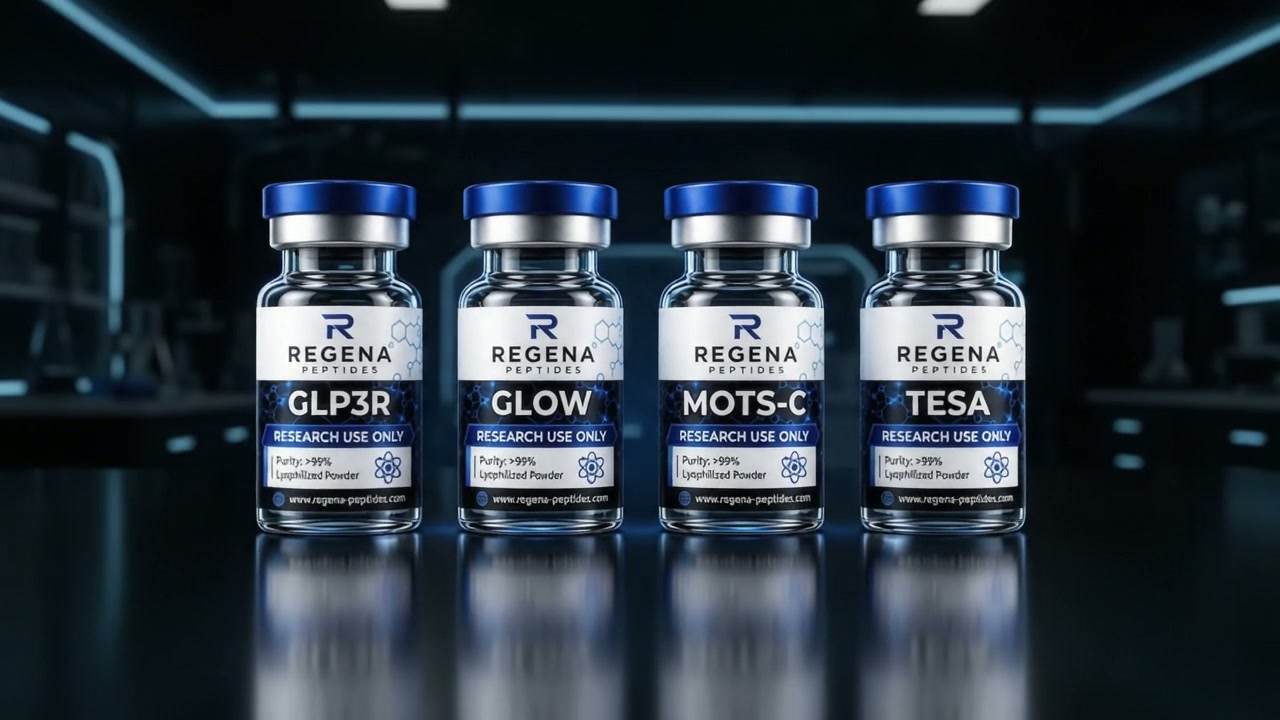
One specific peptide of interest in contemporary research is MOTS-c (Mitochondrial Open Reading Frame of the 12S rRNA Type-c). This 16-amino acid mitochondrial-derived peptide has garnered attention for its reported roles in metabolic regulation, cellular energy homeostasis, and stress response pathways. Initial studies have suggested that MOTS-c may influence insulin sensitivity, glucose metabolism, and even exercise capacity in various research models.
Within the Costa del Sol, research groups, potentially in collaboration with a broader European network, could be investigating the precise mechanisms by which MOTS-c exerts its effects. For instance, *in vitro* studies might explore its interactions with specific cellular receptors, its influence on mitochondrial function in muscle cells, or its potential role in modulating inflammation. Such localized studies, though perhaps not always widely publicized, contribute to the global understanding of complex biological systems.
## Collaborative Opportunities and Future Prospects
The geographic location of the Costa del Sol offers unique opportunities for international collaboration. Its accessibility from major European cities and its appeal to a diverse, multi-national scientific community foster an environment conducive to cross-border research projects. This is particularly beneficial for niche fields like peptide research, where shared expertise and access to specialized equipment can accelerate discovery.
Looking ahead, continued investment in research infrastructure, the establishment of dedicated science parks, and strengthened links between academic institutions and private industry will be crucial for the sustained growth of the peptide research scene along the Costa del Sol. The development of specialized analytical capabilities and preclinical *in vitro* testing facilities will further enhance the region's contribution to this important area of biomedical science.
As with all research peptides, MOTS-c is strictly for *in vitro* research purposes only. It is not approved for human consumption or therapeutic use.
Educational reference only.
Share Regena with a research colleague. They get trusted peptides; you earn 20% affiliate commission on their first month.
Not sure which peptide fits your research question?
Take the 60-second Find Your Peptides quiz — it points you to the most relevant reference compounds for your area of investigation.
Start the quiz